Built for industrials.
We learn how your engineers really work, from the first model to the released part, and put AI to work in the tools they already use.
Request a briefingLine planning, work instructions and changeovers, learned on your shop floor.
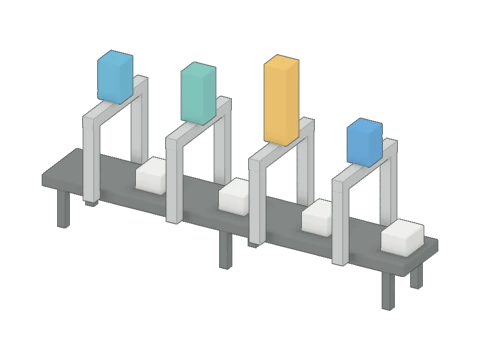 Line balancing
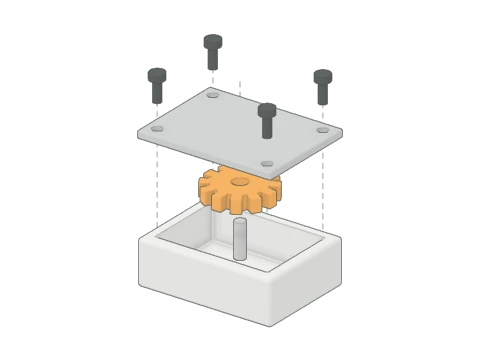 Work instructions
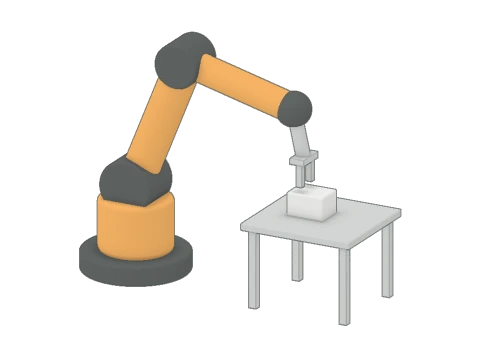 Robot cells
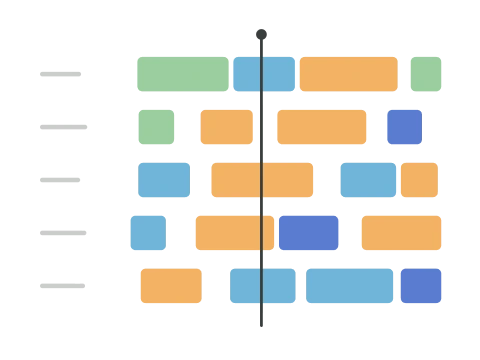 Production schedules
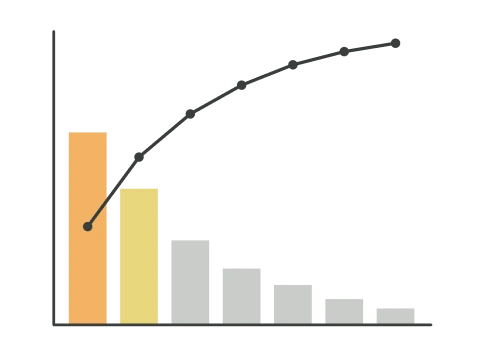 Downtime analysis
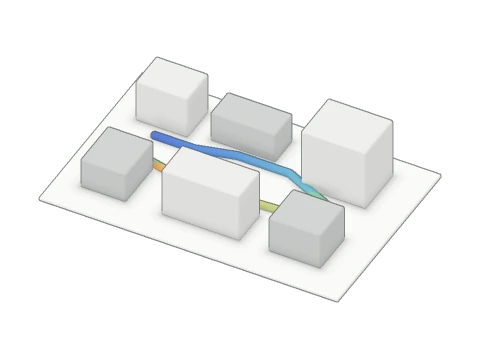 Factory layout
Design variants, load cases and drawings, learned from how your engineers work in CAD.
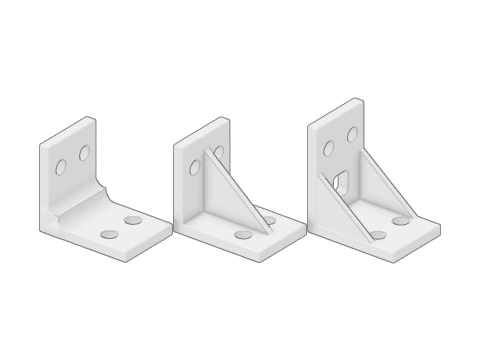 Design variants
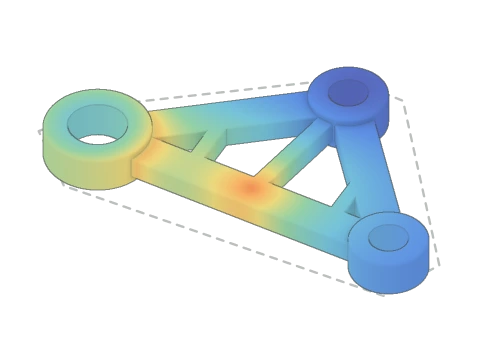 Lightweighting
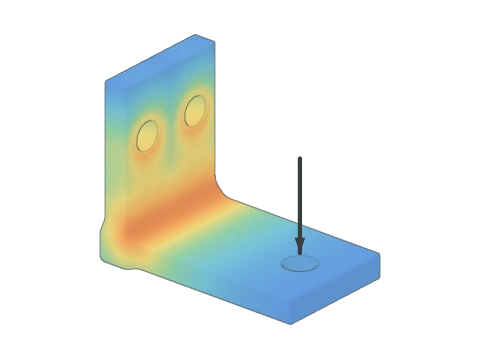 Load cases
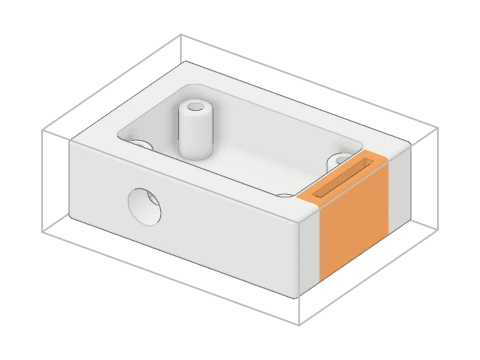 Machining checks
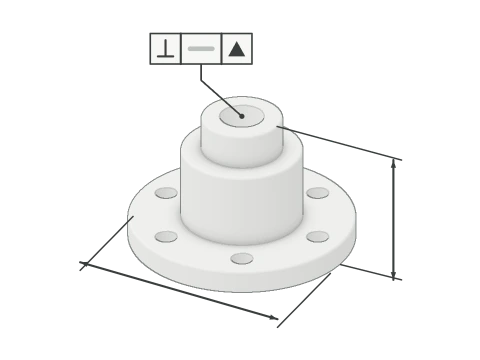 Tolerances and drawings
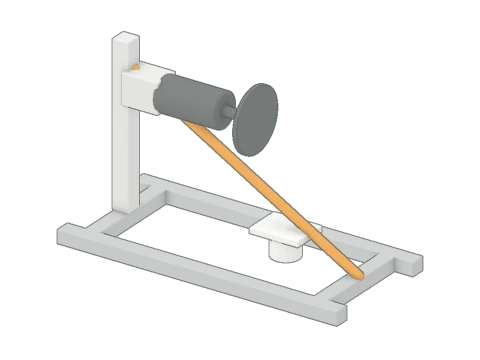 Test stands and fixtures
Schematics, layouts and harnesses, learned from how your engineers work in their design tools.
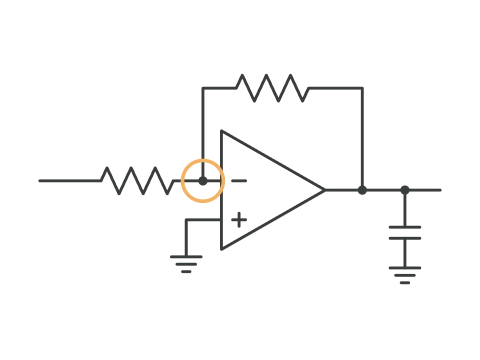 Schematic review
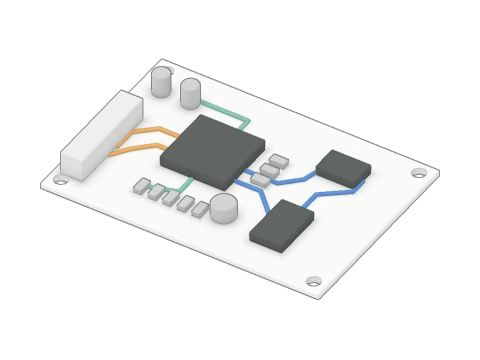 PCB layout
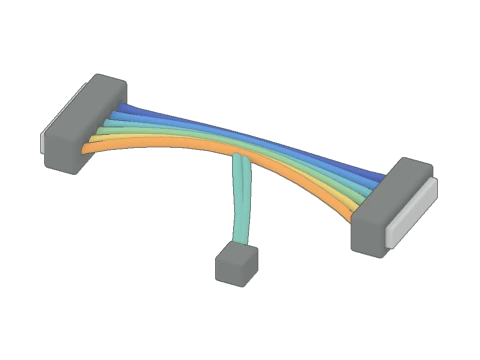 Wiring harnesses
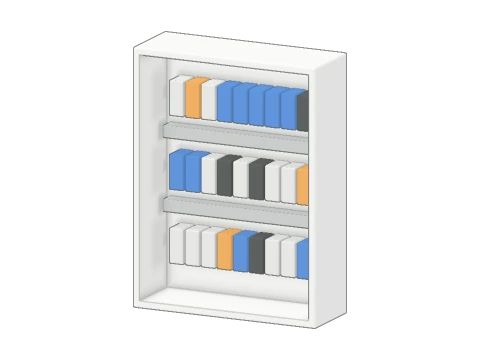 Control cabinets
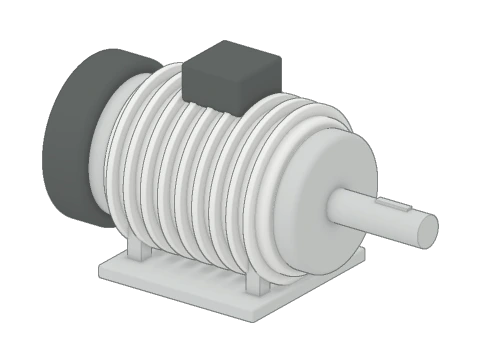 Drive sizing
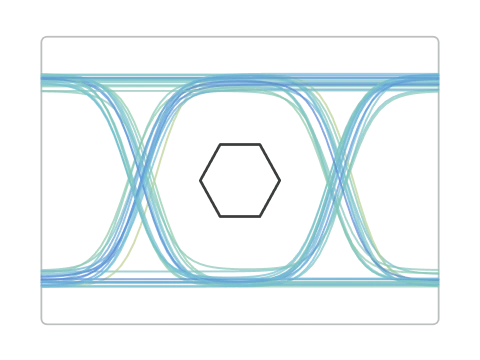 Signal integrity
From request to offer: costing, bills of materials and price curves, learned from your sales engineers.
 Request intake
 Cost breakdowns
 Bills of materials
 Price by quantity
 Offer documents
 Follow-up
Inspection plans, measurement reports and root causes, learned from your quality engineers.
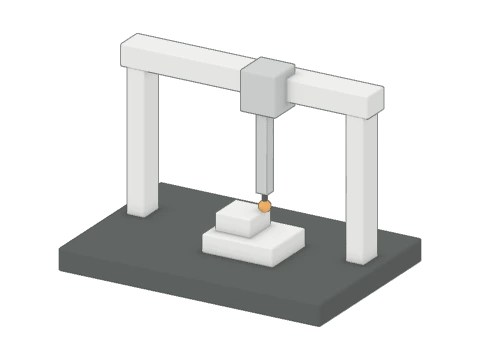 Inspection plans
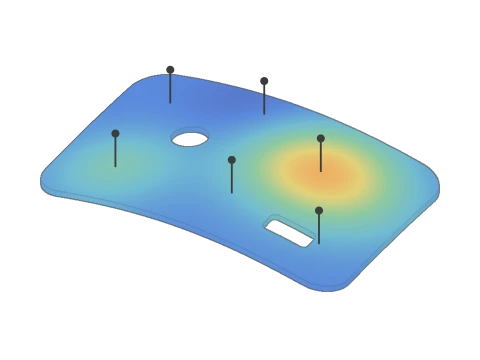 Measurement reports
 8D reports
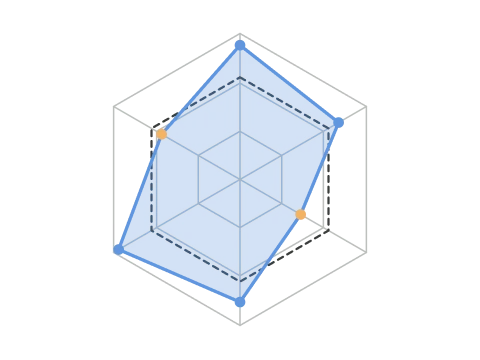 Supplier audits
 Risk analysis
 Complaint analysis
Supplier comparisons, contracts and spend, learned from the daily work of your buyers.
 Supplier comparison
 Should-cost models
 Contract review
 Spend analysis
 Alternative parts
 Delivery risk
Forecasts, stock levels and routes, learned from how your planners work.
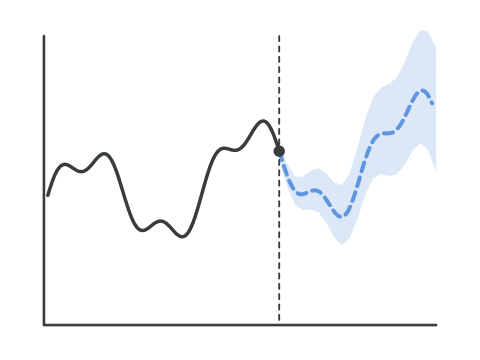 Demand forecasts
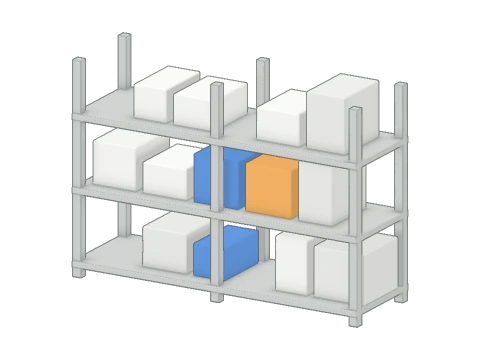 Inventory planning
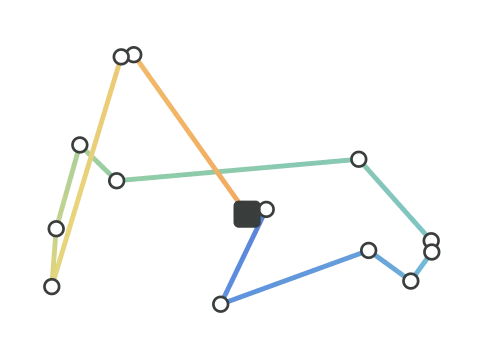 Route planning
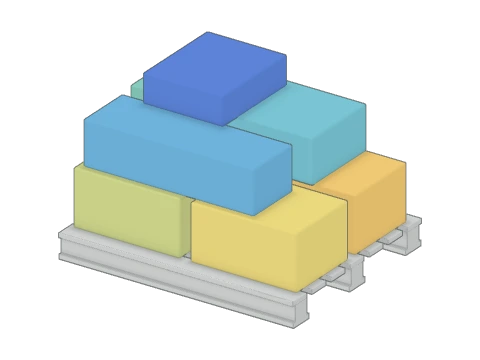 Load planning
 Customs documents
 Warehouse slotting
Diagnosis, spare parts and service reports, learned from your technicians.
 Fault diagnosis
 Spare parts
 Service reports
 Maintenance plans
 Remote support
 Retrofit proposals
Requirements, architectures and test evidence, learned from your systems engineers.
 Requirements tracing
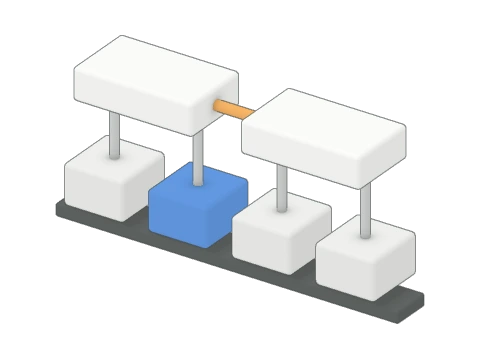 System architecture
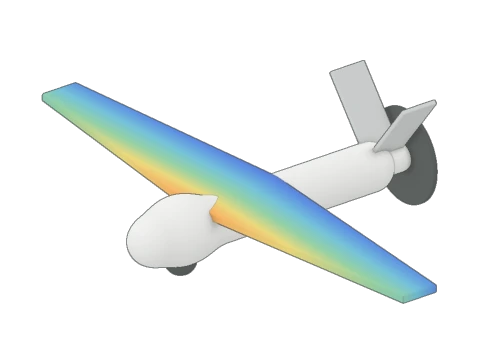 Airframe design
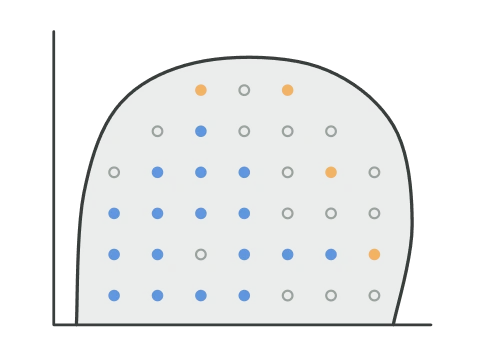 Test campaigns
 Technical publications
 Certification evidence
Who it is for
- Manufacturing
- Design, production planning and quality, from the first part to series.
- Electrical Engineering
- Schematics, control cabinets and automation code for machines and plants.
- Defense Tech
- Engineering under export control, where designs cannot leave your own infrastructure.
Where the work happens
- Design
- Parts and assemblies modelled in Siemens NX, CATIA and SolidWorks.
- Simulation
- Load cases set up, run and judged in Ansys and COMSOL, where one run can take hours.
- Release and change
- Engineering changes and approvals in Teamcenter and SAP, across design, procurement and the plant.
- Automation
- Control cabinets and machine code in EPLAN and TIA Portal, from the plan to commissioning.
What good work means
An engineering team is judged on a design that works the first time.
A late change costs a tooling run or a start of production. The solver and the release process decide what counts as done, so that is what the work is measured against.
Your data stays yours
Design files are the company. They stay inside it.
Each person owns the record of their own work and decides what the team sees. We never measure individual productivity. Security, privacy, legal and the works council are at the table from the first week.
How we start
One team, one workflow, one baseline.
A sponsor picks a team of five to ten people and one workflow. We sit with them for four weeks, then review the result together against the measure agreed at the start.